Modern Entryway Cabinets: Stylish Storage Ideas, Types, and Buying Guide for Contemporary Homes
An entryway cabinet is more than just a place to stash shoes and keys—it’s the first impression your space makes. Whether you’re a homeowner in San Mateo or a motel owner in San Jose, the right entryway cabinet can transform clutter into order. This guide covers what entryway cabinets are, how to choose the best one, and what to consider for your Bay Area property.
What Is an Entryway Cabinet? Uses and Benefits
An entryway cabinet is a storage unit designed for the area just inside your front door, providing organization for shoes, bags, and daily essentials. It’s ideal for busy households, motels, and property managers looking to keep entry spaces tidy and functional. Entryway cabinets come in various sizes and styles to fit different layouts, from compact apartments in San Francisco to larger homes in San Mateo. Quick checklist: - Assess your entryway size and layout - Identify storage needs (shoes, coats, mail) - Choose materials like solid wood, MDF, or plywood - Consider finishes: painted, stained, or laminate - Look for features like soft-close hinges and full-extension slides - Match cabinet style to your décor Common mistakes: - Overlooking measurement details - Choosing the wrong material for high-traffic areas - Ignoring hardware quality - Forgetting about installation space - Not planning for future storage needs
Types and Styles of Entryway Cabinets: Options Compared
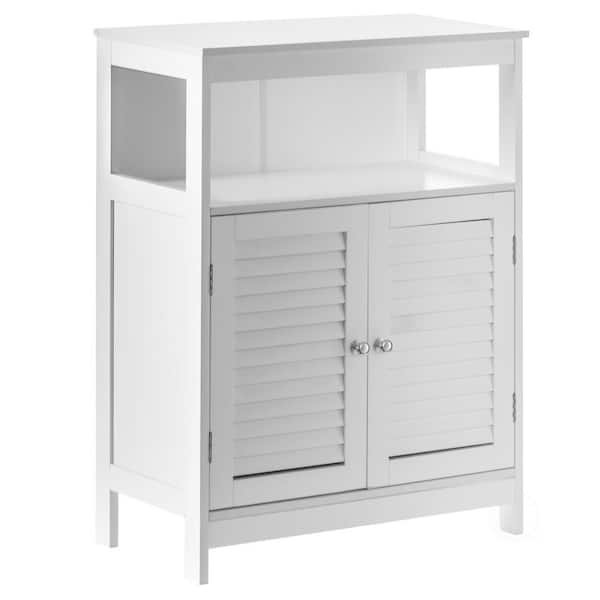
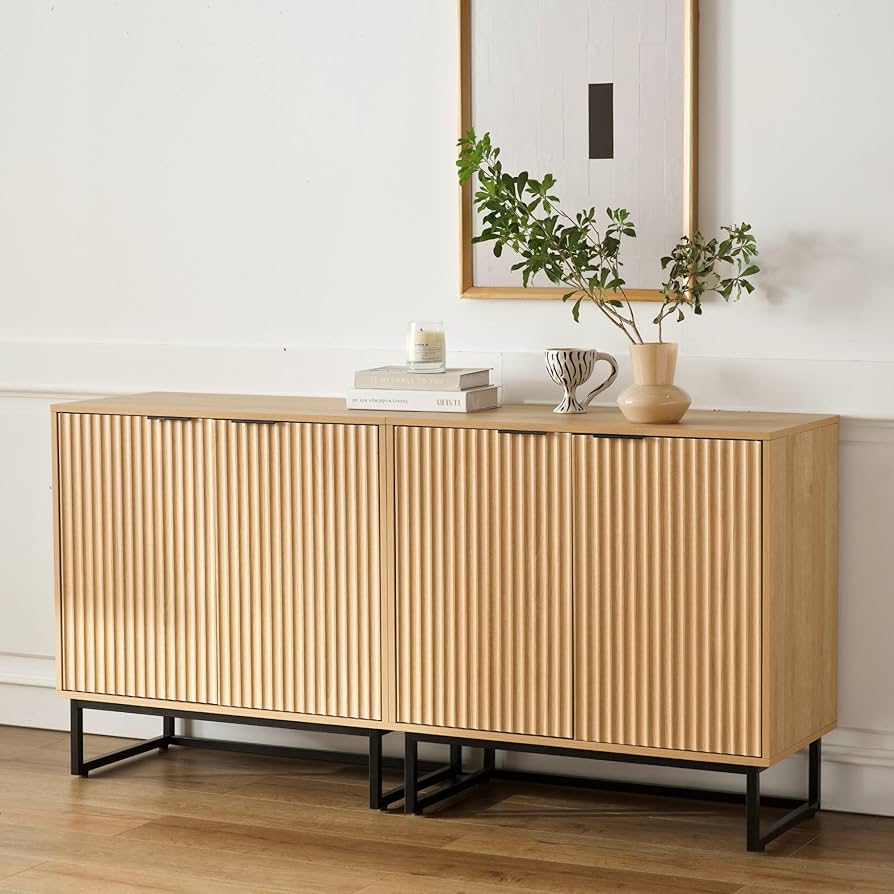
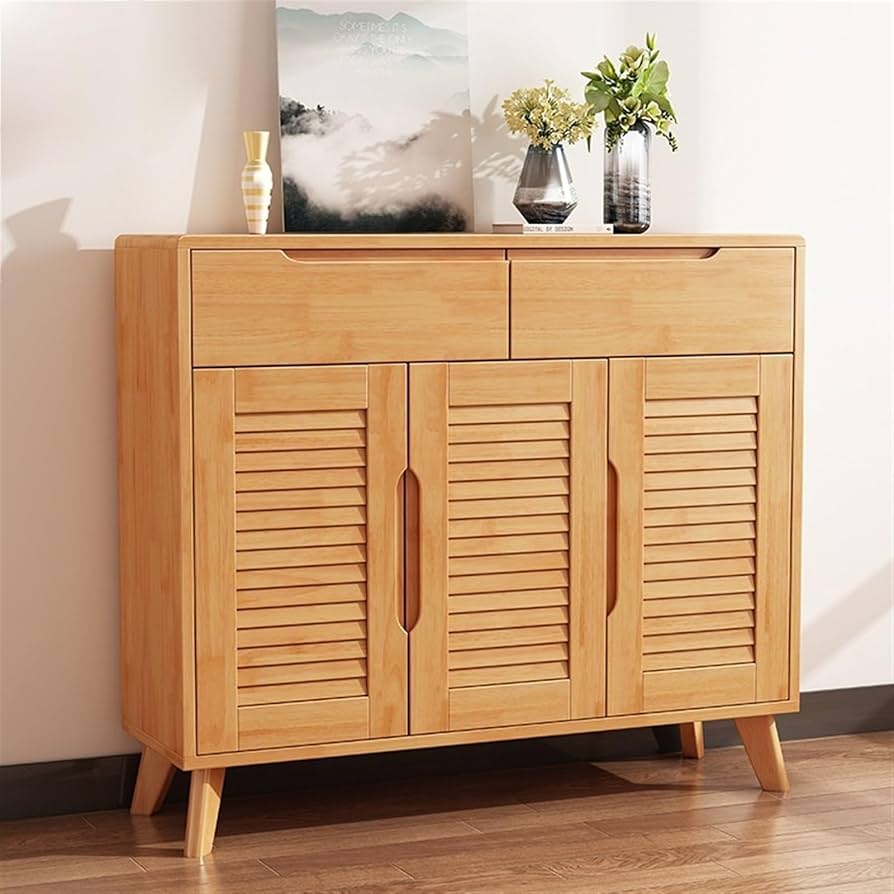
Entryway cabinets come in several configurations, including shoe storage benches, tall cabinets, wall-mounted units, and cubby systems. Shoe storage benches are best for small spaces and double as seating, while tall cabinets offer maximum storage for coats and gear. Wall-mounted entry cabinets save floor space but may require more complex installation. Cubby systems are great for families or shared spaces, allowing each person a dedicated spot. Mini comparison: Shoe benches: best for compact entryways, limited storage. Tall cabinets: best for large families, take up more space. Wall-mounted: best for modern looks, need sturdy walls. Cubby systems: best for organization, can look cluttered if not maintained. Common mistakes: - Picking a style that doesn’t fit your entryway’s dimensions - Overlooking the need for adjustable shelves - Not considering door swing clearance - Choosing finishes that show dirt easily - Forgetting to match cabinet hardware with other fixtures
How to Choose the Right Entryway Cabinet: A Step-by-Step Guide
Start by measuring your entryway’s width, depth, and height, accounting for door swings and walkways. Sketch a simple layout to visualize placement. Next, decide on materials: solid wood offers durability, plywood is cost-effective, and MDF provides a smooth finish for painted cabinets. Select a finish that matches your home’s style—painted for a modern look, stained for warmth, or laminate for easy cleaning. Hardware matters: opt for soft-close hinges and full-extension slides for daily convenience. Consider installation: RTA (ready-to-assemble) cabinets are budget-friendly, while custom or semi-custom options fit unique spaces. If you’re in the Bay Area, local cabinet makers can help with precise measurement and installation, ensuring a perfect fit for San Francisco or San Jose homes. When in doubt, consult a professional for complex layouts or multi-unit projects.
ABCabinet is a trusted cabinet maker and manufacturer serving California, including the Bay Area, San Francisco, San Mateo, and San Jose. With a focus on quality control, ABCabinet ensures every entryway cabinet meets high standards for durability and finish. Their scalable production supports both single-home remodels and large multi-unit projects. ABCabinet offers expert guidance on measurement and planning, helping clients avoid common pitfalls. All cabinets come with a general warranty for peace of mind.
ABCabinet
FAQ
Q1: What is the best material for an entryway cabinet?
A1: Solid wood is durable and long-lasting, while plywood and MDF offer cost-effective alternatives. The best choice depends on your budget and desired finish.
Q2: How do I measure for an entryway cabinet in a San Mateo home?
A2: Measure the width, depth, and height of your entryway, leaving space for doors to open and foot traffic. Consider consulting a local expert for precise planning.
Q3: Can entryway cabinets be customized for small spaces in San Francisco apartments?
A3: Yes, many cabinet makers, including ABCabinet, offer custom and semi-custom options to fit compact entryways and maximize storage.
Q4: What features should I look for in an entryway cabinet near San Jose?
A4: Look for soft-close hinges, full-extension slides, adjustable shelves, and finishes that match your décor. Local providers can help with installation and design.
Q5: Are RTA entryway cabinets easy to install?
A5: RTA (ready-to-assemble) cabinets are designed for straightforward installation, but complex layouts may require professional help for best results.
Conclusion
Choosing the right entryway cabinet can make a big difference in how your space looks and functions. With options for every style and budget, it’s important to consider materials, finishes, and installation needs. ABCabinet offers expert support and quality products for California homes and businesses. Explore your entryway cabinet options or reach out for planning guidance to create a welcoming, organized entryway.