Modern Entryway Cabinets: Stylish Storage Ideas, Types, and Buying Guide for Contemporary Homes
A dining room cabinet is more than just storage—it's a key element in organizing and elevating your dining space. Whether you’re a homeowner in San Mateo, a motel owner in San Jose, or a designer working in the Bay Area, understanding your options for dining room cabinets can help you maximize both style and function. This guide covers what dining room cabinets are, the types available, how to choose the right one, and expert tips for a seamless installation.
What Is a Dining Room Cabinet? Uses and Benefits
A dining room cabinet is a storage unit designed specifically for dining spaces, used to organize dinnerware, glassware, linens, and serving pieces. It’s ideal for anyone looking to keep their dining area tidy and stylish, from busy families to property managers outfitting multi-unit buildings. Commonly found in both residential and commercial settings, these cabinets can be custom, semi-custom, or ready-to-assemble (RTA) to fit a variety of needs. Quick checklist: - Store plates, glasses, and cutlery - Display decorative items or collectibles - Hide clutter with closed doors or drawers - Add extra serving space with a buffet top - Coordinate finishes with kitchen or pantry cabinetry - Choose hardware like soft-close hinges for convenience. Common mistakes: - Overlooking accurate measurements - Ignoring traffic flow and door swing - Choosing finishes that clash with existing decor - Skipping professional installation for complex layouts - Forgetting to plan for electrical outlets if lighting is needed.
Types of Dining Room Cabinets: Styles and Comparisons
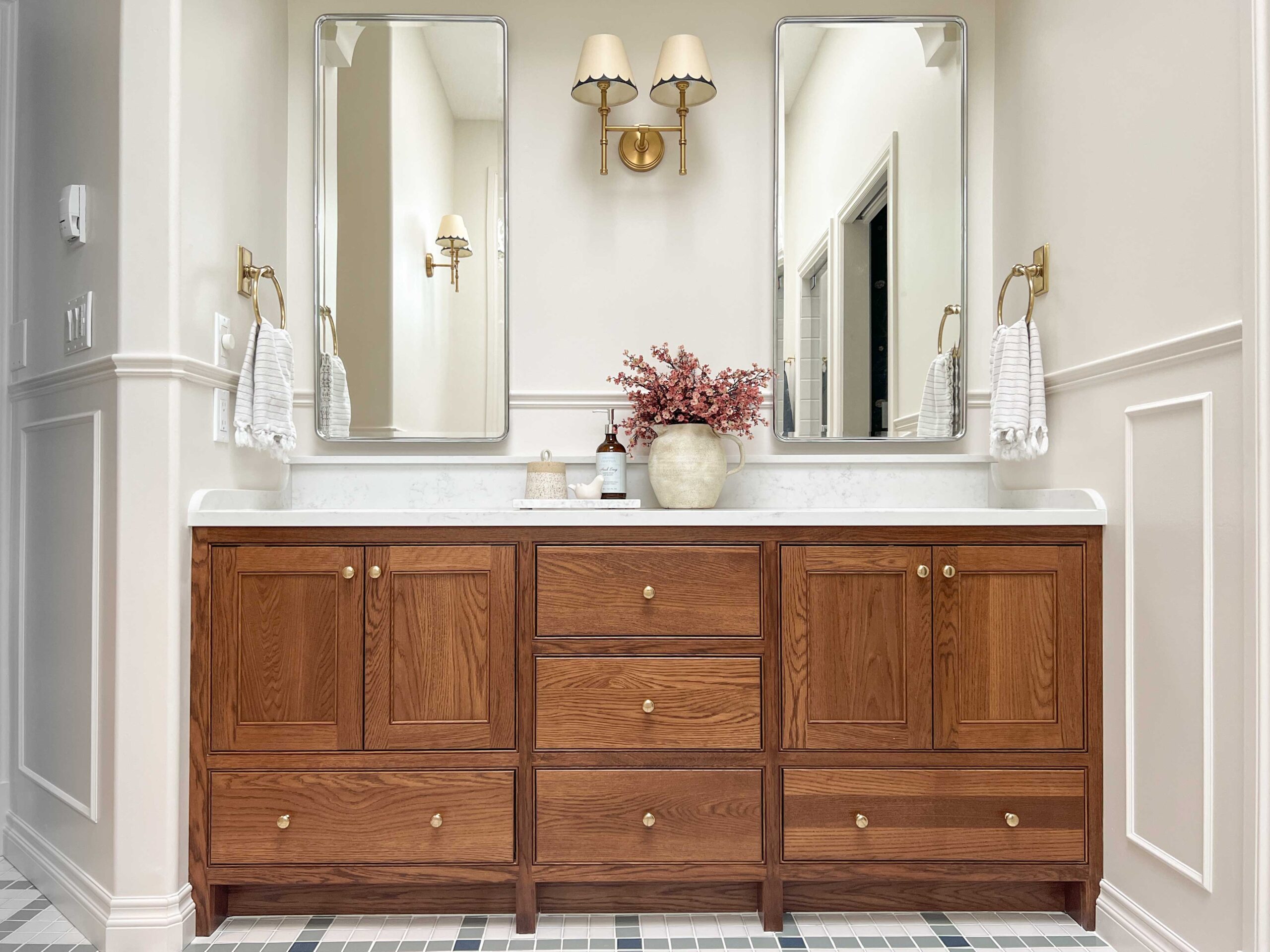
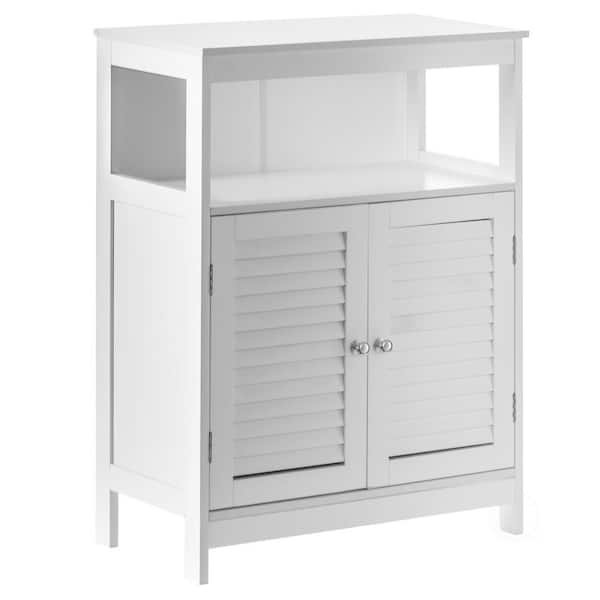
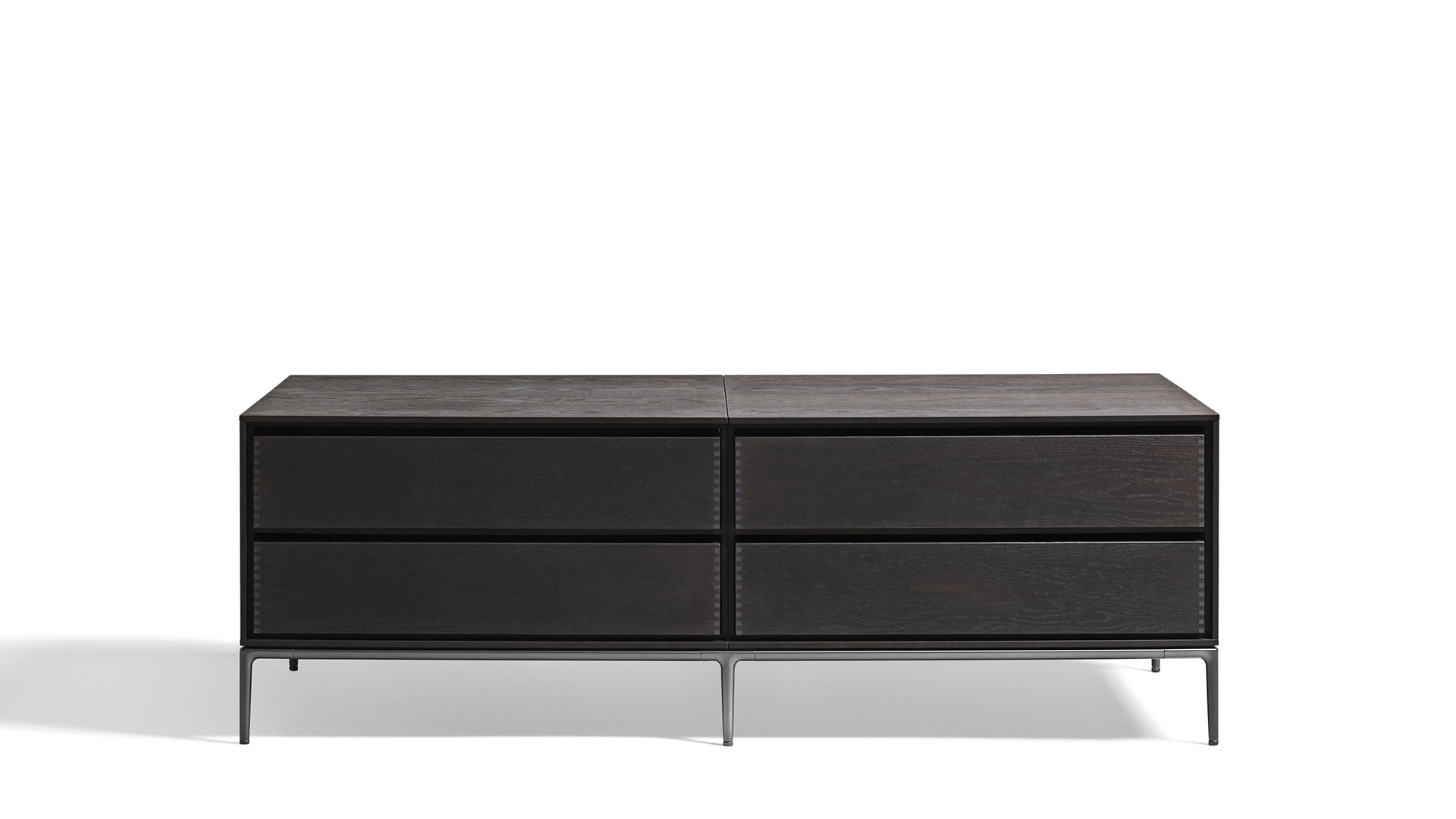
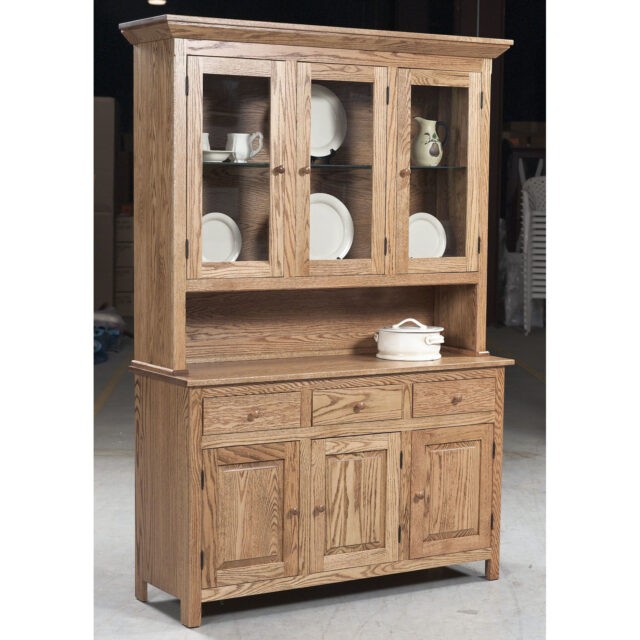
Dining room cabinets come in several styles, including buffets, hutches, sideboards, built-ins, and display cabinets. Buffets are low, wide units best for serving and storage, while hutches add upper shelving for display. Sideboards offer a sleek look with ample drawer space, and built-ins maximize wall space for a seamless appearance. Display cabinets feature glass doors for showcasing fine china. Mini comparison: Buffets are best for serving and storage, hutches for display, sideboards for modern spaces, built-ins for custom layouts, and display cabinets for showcasing items. Tradeoffs include storage capacity, installation complexity, and cost. Common mistakes: - Selecting a style that doesn’t match the room’s function - Underestimating the need for adjustable shelving - Overlooking the importance of durable materials like solid wood or plywood - Choosing hardware that isn’t compatible with daily use - Not considering lead time for custom or semi-custom options.
How to Choose the Right Dining Room Cabinet: A Step-by-Step Guide
Start by measuring your dining space, accounting for walkways and door swings. Next, decide on the layout—freestanding, built-in, or wall-mounted. Choose materials such as solid wood, plywood, or MDF based on durability and budget. Select a finish that complements your kitchen or pantry, like painted or stained surfaces. Pick hardware such as soft-close hinges and full-extension slides for ease of use. Consider installation: RTA cabinets are DIY-friendly, while custom and semi-custom options may require professional help. Measurement tips: Use a tape measure for width, depth, and height; leave at least 36 inches for walkways. If you’re in the Bay Area, consulting a local expert can help ensure your dining room cabinet fits perfectly and meets local design trends.
ABCabinet is a trusted cabinet maker and manufacturer serving California, including the Bay Area, San Francisco, San Mateo, and San Jose. With a focus on quality control, ABCabinet offers scalable production for both single homes and large remodel projects. Their team provides expert guidance on measurement and planning, ensuring your dining room cabinet fits your space and style. ABCabinet also stands behind their work with a general warranty for peace of mind.
ABCabinet
FAQ
Q1: What is the best material for a dining room cabinet?
A1: Solid wood and plywood are popular for their durability, while MDF is a budget-friendly option. The best choice depends on your needs and budget.
Q2: How do I choose the right size dining room cabinet for my space?
A2: Measure your available wall space and ensure there’s enough room for doors and drawers to open. Leave at least 36 inches for walkways.
Q3: Are custom dining room cabinets available in San Jose?
A3: Yes, many local manufacturers like ABCabinet offer custom dining room cabinets in San Jose to fit unique spaces and design preferences.
Q4: What finishes are popular for dining room cabinets near San Mateo?
A4: Painted and stained finishes are both popular in San Mateo, with choices often matching kitchen or pantry cabinetry for a cohesive look.
Q5: When should I consult a professional for dining room cabinet installation?
A5: Consult a professional if your layout is complex, you need built-in cabinets, or you want to ensure precise measurement and installation.
Conclusion
Choosing the right dining room cabinet can transform your dining area, adding both function and style. By considering materials, finishes, and installation needs, you can find a solution that fits your space perfectly. ABCabinet offers expert guidance and quality craftsmanship for projects throughout California. Explore your options or reach out for planning advice to make your next dining room upgrade a success.